

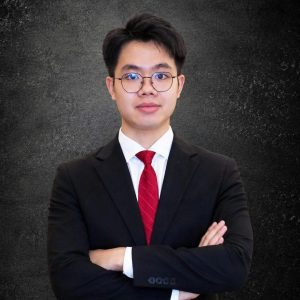
Pham Quang Duy is now acting as a Paralegal of NHQuang&Associates. His practice focuses on advising domestic investors on trading and investment activities, advising foreign investors when investing in Viet Nam, assisting clients in dealing with corporate matters, contract, HR management & employment, M&A, etc. In addition, he has been dedicatedly involved in the firm’s […]
Read moreempty
Search Results for: corporate
Training conference on the implementation of the Law on Bankruptcy and Recovery 2025
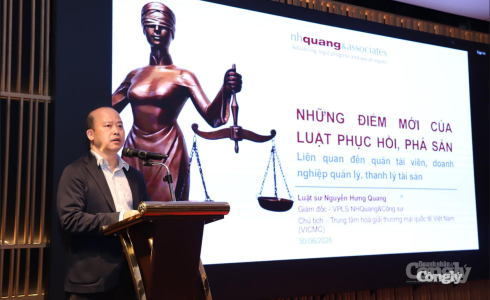
Mr. Nguyen Hung Quang presented the new points of the Law on Bankruptcy and Recovery 2025 related to the activities of asset management officer, asset management and liquidation enterprise, and lawyers participating in business insolvency and recovery at the Training conference on the implementation of the Law on Bankruptcy and Recovery 2025.
Read moreNguyen Thi Mai Lan
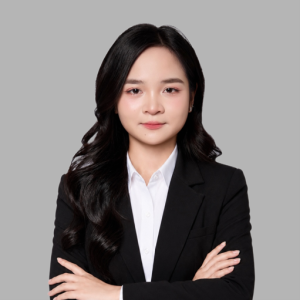
Nguyen Thị Mai Lan is currently an Associate at NHQuang&Associates. Her practice areas focus on corporate governance advisory – particularly governance of public and listed companies, mergers & acquisitions (M&A); supporting clients with the company’s regular business operations, contracts, labor matters, among others. In addition, Mai Lan also contributes to the firm’s projects and reports.
Read moreBeneficial ownership transparency helps curb “nominee” investments
Transparency regarding beneficial ownership not only enhances corporate transparency but also serves as a crucial tool for preventing “nominee” investments, improving state management efficiency, and fostering a fair, sustainable investment environment. Read the interview by Mr. Nguyen Hung Quang, with the Investment Magazine Online to explore an analysis of the role of beneficial ownership transparency mechanisms, the challenges associated with their implementation in Vietnam, and recommendations for refining the legal framework in the near future.
Read moreThe Draft Law on Lawyers (amended) and the issue of enhancing the competitiveness of Vietnamese lawyers
The article by Mr. Nguyen Hung Quang puts forward several recommendations concerning the Draft Law on Lawyers (amended), including reforms to the organizational and operational models of law practice entities, improvements to professional conditions and the role of lawyers, and the promotion of digital transformation within legal practice. These proposals aim to enable Vietnamese lawyers to compete effectively with their counterparts in Southeast Asia, across Asia, and in other developed markets.
Read more