

On July 7, 2026, the Government promulgated Decree 274/2026/ND-CP providing details for a number of articles and measures for implementation of the Law on Bidding regarding the selection of investors to implement business investment projects. Decree 274 is issued to replace and consolidate the provisions previously dispersed across Decree 23/2024/ND-CP, Decree 115/2024/ND-CP and their amending and supplementing instruments. In this Legal Newsletter, NHQuang&Associates will focus on analyzing certain notable new points of Decree 274 that may have direct impact on enterprises and investors.
Read moreempty
Consultation workshop on solutions for developing a transparent, professional and effective legal services market
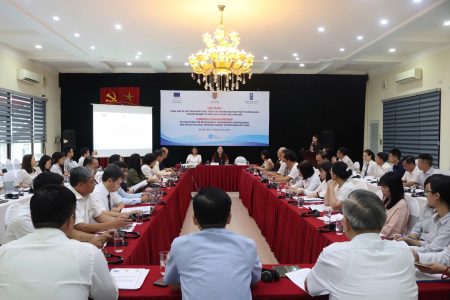
On August 25, 2026, Mr. Nguyen Hung Quang delivered a presentation on the current development of legal practice organizations and the legal services market in Viet Nam, while also sharing international experiences and good practices from the International Bar Association (IBA) and the American Bar Association (ABA) at the consultation workshop on solutions for developing a transparent, professional and effective legal services market in Northern Viet Nam organized by Department of Judicial Support, Ministry of Justice.
Read moreInternational conference “Enhancing the Effectiveness of Alternative Dispute Resolution (ADR) Mechanisms in Commercial and Investment Dispute Settlement in Ho Chi Minh City”
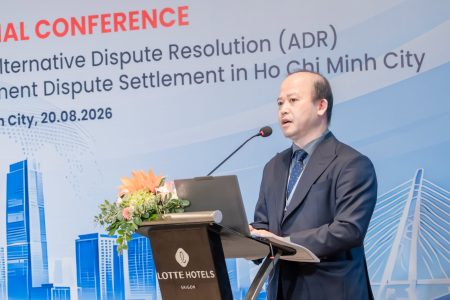
Mr. Nguyen Hung Quang – one of the four keynote speakers during the morning session – presented a study titled “Alternative Dispute Resolution (ADR) in Vietnam: Current Status and Recommendations for Improvement to Enhance National Competitiveness” at the Conference jointly organized by the Institute for Socio-Economic Research (RISE) of Saigon University and KAS Vietnam.
Read moreInternational experience regarding the use of phones and computers in courtrooms and implications for Viet Nam
In his article published in the Electronic Journal of the People’s Court, Mr. Nguyen Hung Quang examines international practices concerning the management and use of electronic devices during court hearings. Drawing on these experiences, the article offers several recommendations for Viet Nam in developing an appropriate regulatory framework that balances the requirements of judicial proceedings with the lawful rights and interests of participants in legal proceedings.
Read morePersonal data protection in employment relationships
In this article, Ms. Nguyen Ngoc Ha analyzes the impact of the Personal Data Protection Law on corporate human resources management. She clarifies the new legal obligations concerning the processing of employee personal data and offers recommendations on establishing internal procedures and enhancing compliance and data management capabilities. These measures aim to help enterprises minimize legal risks, strengthen employee trust, and boost competitiveness in the digital economy.
Read more